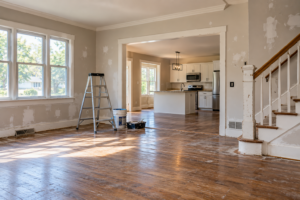

Buying a home is an exciting experience, but finding the right property involves more than simply walking through rooms and imagining where your furniture will go. A home showing is an important opportunity to evaluate the property’s condition, layout, features, and overall suitability for your lifestyle. While a home may look beautiful in listing photographs, seeing it in person can reveal important details that influence your purchasing decision.
For homebuyers in Minnesota, asking the right questions during a showing is especially important. From heating systems and roof conditions to neighborhood characteristics and maintenance history, several factors can affect the comfort, affordability, and long-term value of a home. Taking time to gather information before making an offer can help you avoid unexpected expenses and make a more confident decision.
At Kontor Realty Group, we understand that purchasing a home is a major investment. Whether you’re a first-time homebuyer or searching for your next property, knowing what to ask during a showing can help you better evaluate your options and find a home that fits your needs.
How Long Has the Home Been on the Market?
One of the first questions to ask during a home showing is how long the property has been listed for sale. The amount of time a home spends on the market can provide useful information about buyer interest, pricing, and local market conditions.
A property that has been listed for only a few days may be attracting significant attention, especially in a competitive market. Homes that have been available for several weeks or months may offer additional opportunities for negotiation, depending on the circumstances.
However, a longer listing period doesn’t necessarily mean something is wrong with the property. The home may have been priced too high initially, experienced a previous transaction that didn’t close, or entered the market during a slower season. Your real estate agent can help you review the listing history, recent price changes, and comparable sales to better understand the property’s position in the market.
Why Is the Seller Moving?
Understanding why the current owner is selling can sometimes provide useful context about the transaction. Sellers relocate for many reasons, including job changes, retirement, downsizing, family needs, or purchasing another property.
While sellers are not necessarily required to share personal details about their circumstances, information they voluntarily provide about their moving timeline may help you understand their priorities. For example, a seller who has already purchased another home may prefer a quicker closing, while someone who is still searching for their next property may appreciate additional flexibility.
This information can be helpful when preparing an offer, but buyers should avoid making assumptions about the seller’s motivations. Your real estate agent can communicate with the listing agent to learn whether there are transaction-related preferences that may influence negotiations.
How Old Are the Roof and Major Home Systems?
A home’s appearance is important, but its major systems and structural components can have an even greater impact on future ownership costs. During a showing, ask about the age and condition of the roof, furnace, air conditioning system, water heater, plumbing, and electrical equipment.
Replacing a roof or major mechanical system can represent a significant expense, so understanding when these components were last updated can help you plan for potential maintenance. A newer system doesn’t guarantee that repairs won’t be needed, just as an older system isn’t necessarily in poor condition. Maintenance history, installation quality, and overall performance also matter.
In Minnesota, heating systems deserve particular attention because of the state’s long, cold winters. Ask whether the furnace has been regularly serviced and whether the homeowner has experienced any recurring heating concerns. If records are available, reviewing maintenance documentation can provide additional insight into how the property has been cared for.
Has the Home Experienced Water Damage or Moisture Problems?
Water intrusion and moisture-related concerns can create expensive problems if they aren’t identified and addressed. During a home showing, ask whether the property has experienced basement flooding, roof leaks, plumbing failures, or other water-related issues.
Minnesota’s changing seasons can make moisture management particularly important. Melting snow, heavy rainfall, and spring runoff may contribute to basement seepage or drainage problems in some properties. Homes with basements should be evaluated for visible staining, musty odors, damaged materials, and signs of previous water intrusion.
Ask whether the home has a sump pump, whether it has been maintained, and whether there have been any known drainage concerns. You may also want to learn whether waterproofing improvements or foundation repairs have been completed.
A showing cannot replace a professional inspection, but asking about known moisture problems can help you identify areas that deserve closer attention before purchasing.
Have Any Major Renovations or Repairs Been Completed?
Recent improvements can make a home more attractive, but it’s important to understand what work has been completed and whether it was done properly. Ask about major renovations, additions, remodeling projects, and significant repairs performed during the current owner’s time in the property.
Kitchen renovations, bathroom updates, finished basements, and new decks may add functionality and appeal. However, buyers should also consider whether permits were required and obtained for applicable projects. Unpermitted or improperly completed work can create complications related to safety, insurance, financing, or future resale.
If the homeowner has documentation for major improvements, ask whether it can be made available for review. Information about contractors, warranties, permits, and installation dates can help you better understand the property’s maintenance and improvement history.
What Is Included in the Sale?
When touring a home, it’s easy to assume that everything you see will remain with the property after closing. However, certain appliances, fixtures, and other items may not automatically be included in the purchase.
Ask which appliances are included, such as the refrigerator, stove, dishwasher, washer, and dryer. You should also clarify whether items such as window treatments, mounted televisions, storage systems, or outdoor equipment will remain.
Some items are considered fixtures under applicable rules and contract terms, while others may be treated as personal property. Rather than relying on assumptions, buyers should make sure any important inclusions or exclusions are clearly addressed in the purchase agreement.
Understanding these details early can help prevent disagreements and unexpected expenses when it’s time to move into your new home.
What Are the Average Utility Costs?
The purchase price is only one part of the cost of owning a home. Monthly utility expenses can also influence affordability, particularly in Minnesota, where heating and cooling needs change throughout the year.
During a showing, ask whether information about average electricity, natural gas, water, and other utility expenses is available. Previous bills may provide a general idea of the property’s operating costs, although actual expenses will depend on household size, usage habits, weather, and utility rates.
It’s also helpful to ask about insulation, window efficiency, and recent energy-related improvements. Updated windows or a newer heating system may contribute to comfort and energy efficiency, but their actual impact can vary.
Considering these expenses alongside your anticipated mortgage payment, property taxes, and insurance can help you develop a more realistic monthly housing budget.
Are There Any Homeowners Association Fees or Restrictions?
If you’re considering a condominium, townhouse, or property within a homeowners association, understanding the association’s rules and financial obligations is essential.
Ask whether the property belongs to an HOA and what the regular fees cover. Some associations handle exterior maintenance, landscaping, snow removal, or shared amenities, while others provide fewer services. Buyers should also ask about potential special assessments, reserve funds, and maintenance responsibilities.
Association rules may affect parking, exterior modifications, pets, rentals, and other property uses. These restrictions can influence whether the home fits your lifestyle or future plans.
Before purchasing an HOA property, review the available governing documents and financial information carefully. Your real estate professional can help you understand which documents are relevant and how they may affect your decision.
How Much Are the Property Taxes?
Property taxes are another important expense to consider when evaluating a home. During a showing, ask about the property’s current tax amount and whether there have been significant changes in recent years.
Minnesota property taxes vary based on factors such as location, assessed value, property classification, and local tax rates. The amount paid by the current homeowner may not necessarily represent what a future owner will pay, especially if exemptions, classifications, or assessments change.
Reviewing tax information can help you compare the ongoing costs of different properties. Buyers should also consider how taxes may affect their total monthly mortgage payment if their lender collects property taxes through an escrow account.
Understanding these expenses before making an offer can help you avoid purchasing a home that exceeds your comfortable monthly budget.
What Is the Neighborhood Like?
A home can have all the features you’re looking for, but its surrounding neighborhood should also support your lifestyle. During a showing, ask about nearby amenities, transportation routes, parks, shopping, and other conveniences that may be important to you.
Consider how the location fits your daily routine. A longer commute, limited access to certain services, or additional travel time for regular activities can affect your overall satisfaction with a property.
You may also want to visit the neighborhood at different times of day to observe traffic patterns, noise levels, and general activity. If school information is important to your household, verify school district boundaries and available programs through official sources.
Your real estate agent can help you research objective neighborhood information and available housing options so you can evaluate which community best matches your priorities.
Are There Any Known Problems With the Property?
One of the most important questions to ask during a home showing is whether the seller is aware of any existing problems with the property. While many concerns may be visible during a walkthrough, others may not be immediately noticeable.
Ask about known issues involving the foundation, roof, plumbing, electrical systems, pest activity, drainage, or other significant components. Minnesota sellers generally have property disclosure obligations, subject to applicable legal requirements and exceptions.
Reviewing available disclosure documents can help you understand what the seller has reported about the property’s condition. However, disclosures are not a substitute for conducting your own due diligence.
A professional home inspection can provide additional information about visible conditions and potential repair needs. Buyers should consider both the seller’s disclosures and independent evaluations before making a final purchasing decision.
How Much Maintenance Does the Property Require?
Every home requires maintenance, but some properties demand more time and financial resources than others. During a showing, consider how much work will be needed to maintain the house, yard, driveway, and other features.
A large property with extensive landscaping may require more ongoing upkeep than a smaller home with minimal outdoor space. Older homes may also have additional maintenance needs, depending on their condition and previous improvements.
Minnesota homeowners should consider seasonal responsibilities such as snow removal, gutter cleaning, lawn care, and preparing outdoor systems for freezing temperatures. Features such as long driveways, large decks, or mature trees may increase maintenance responsibilities.
Think realistically about how much time and money you’re willing to invest in upkeep. A home that fits your budget but requires more maintenance than you can comfortably manage may not be the best long-term choice.
Is There Enough Storage and Functional Living Space?
Square footage can be helpful when comparing homes, but the way that space is organized is equally important. During a showing, look beyond the total size of the property and consider whether the layout will work for your everyday needs.
Ask about available storage, closet space, garage capacity, and whether the basement or attic offers additional usable areas. Consider where you’ll keep seasonal decorations, outdoor equipment, cleaning supplies, and other belongings.
For Minnesota buyers, garage space and storage for winter equipment can be especially useful. A home with adequate room for vehicles, snow removal tools, and seasonal items may provide greater convenience throughout the year.
Pay attention to how rooms connect and whether the layout accommodates your furniture, household activities, and potential future needs. A practical floor plan can make a home feel more comfortable and functional regardless of its overall size.
Are There Any Planned Developments Nearby?
The surrounding community can change over time, and nearby development may influence how you experience the property. During a showing, ask whether there are any known construction projects, road improvements, or other developments planned in the area.
New businesses, residential neighborhoods, and transportation improvements may create additional conveniences. However, construction activity or changes in traffic patterns could also affect your daily routine.
Information about proposed developments should be verified through city planning departments, public records, or other official sources. Not every proposed project receives approval or moves forward as originally planned.
Researching future development can help you make a more informed decision about the property’s location and whether it aligns with your long-term expectations.
What Should You Look for Beyond the Seller’s Answers?
While asking questions is important, buyers should also pay attention to what they observe during the showing. Look for signs of deferred maintenance, unusual odors, water stains, damaged flooring, or windows and doors that don’t operate properly.
Notice whether rooms receive adequate natural light and whether the home’s layout feels comfortable. Consider the condition of visible exterior surfaces, landscaping, and drainage areas. If something seems unusual, make a note and ask your real estate agent about it.
It’s also helpful to take photographs or notes when permitted, especially if you’re touring multiple properties. After several showings, details can begin to blend together, making it difficult to remember which home had particular features or concerns.
Keep in mind that a showing provides only a limited opportunity to evaluate the property. Professional inspections and other appropriate evaluations remain important steps in understanding a home’s condition before completing a purchase.
Why Working With a Local Real Estate Agent Matters
Buying a home involves numerous decisions, and having an experienced real estate professional can make the process easier to navigate. A local agent can help you identify important questions, understand property information, and evaluate how a home compares to others in the area.
In Minnesota, real estate markets can vary significantly between communities. A knowledgeable agent can provide insight into local housing trends, comparable sales, and property characteristics that may influence your decision.
Your agent can also help coordinate showings, request available information from listing agents, and guide you through the offer and negotiation process. When questions arise about financing, inspections, or other specialized matters, they can help you identify the appropriate professionals to consult.
Having reliable guidance throughout the process can help you make decisions based on information rather than first impressions alone.
Find Your Next Home With Kontor Realty Group
A home showing is more than an opportunity to admire a property’s appearance. It’s an important step in determining whether the home meets your needs, fits your budget, and supports your long-term goals. Asking about maintenance history, major systems, utility expenses, property taxes, neighborhood characteristics, and known concerns can help you better understand what you’re considering purchasing.
Taking time to ask thoughtful questions and evaluate each property carefully can help reduce uncertainty and make the homebuying process more manageable. While no home is perfect, having the right information can help you decide which features matter most and which potential concerns deserve further investigation.
At Kontor Realty Group, we understand that finding the right home involves more than choosing a property that looks appealing online. Our team is dedicated to helping Minnesota homebuyers explore available properties, understand local market conditions, and navigate the purchasing process with personalized guidance.
Whether you’re purchasing your first home, relocating, or searching for a property that better fits your lifestyle, we’re here to help you make informed decisions every step of the way.
Ready to start touring homes in Minnesota? Visit Kontor Realty Group to connect with our team and take the next step toward finding a home that’s right for you.