Selling your home is a major financial decision, and one of the most important choices you’ll make is determining the right listing price. While it may seem like a simple matter of choosing a number based on your home’s value, pricing a property involves much more than personal expectations or the amount you originally paid. Your listing price can influence how many buyers see your home, how quickly it attracts interest, and ultimately how successful your selling experience may be.
Many homeowners assume that starting with a higher asking price gives them more room to negotiate. Others believe pricing their home below market value will automatically generate multiple offers. However, neither approach guarantees a better outcome. The most effective pricing strategy depends on current market conditions, comparable home sales, property features, and buyer demand.
For homeowners in Minnesota, understanding how listing prices influence buyer behavior is especially important. Real estate conditions can vary significantly between communities, neighborhoods, and price ranges. At Kontor Realty Group, we understand that choosing the right listing price is an essential part of preparing a home for sale. Here’s why your asking price matters more than you might think.
Your Listing Price Creates the First Impression
When potential buyers begin searching for homes, price is often one of the first details they consider. Most buyers establish a budget before beginning their search, and they typically use online real estate platforms to filter properties within their preferred price range.
If your home is priced significantly higher than comparable properties, buyers may overlook it before ever viewing the photographs or reading the listing description. Even a well-maintained home with desirable features can struggle to attract attention when the asking price doesn’t align with buyer expectations.
On the other hand, a competitively priced property may encourage more buyers to explore the listing and schedule showings. This initial interest can be especially valuable when your home first enters the market.
Your listing price communicates an important message about the property’s value. Establishing a realistic price from the beginning can help create a positive first impression and position your home effectively among competing listings.
Overpricing Can Reduce Buyer Interest
One of the most common mistakes sellers make is listing their homes above what the local market is likely to support. While it’s understandable to want the highest possible return, an inflated asking price can actually make selling more difficult.
Today’s buyers have access to extensive real estate information, including recently sold properties, available listings, and neighborhood pricing trends. When a home is priced substantially higher than similar properties, buyers may question whether the asking price is justified.
For example, if comparable homes in your neighborhood are listed around $350,000, pricing a similar property at $400,000 without meaningful differences in condition or features may discourage potential buyers. Instead of scheduling a showing, they may focus on properties that appear to offer better value.
Overpricing can also result in fewer inquiries and a longer time on the market. Sellers may eventually need to reduce the price to attract interest, potentially losing valuable momentum during the early listing period.
A realistic pricing strategy helps your home compete with other available properties rather than creating unnecessary obstacles.
The First Few Weeks on the Market Are Important
When a home is first listed, it often receives attention from buyers who have been actively monitoring the market. New listings may appear in saved searches, real estate alerts, and online property searches, creating an opportunity to reach interested buyers.
This early exposure can be especially valuable when the home is presented professionally and priced appropriately. Buyers who have been waiting for a property with certain features may be motivated to schedule a showing soon after it becomes available.
However, if the asking price is too high, some buyers may decide not to pursue the property. As the listing remains available, it may lose some of the attention that typically accompanies a new listing.
While homes can certainly sell after spending several weeks or months on the market, starting with a competitive price can help make the most of the initial listing period.
Rather than assuming you can always lower the price later, consider how the original asking price may influence your home’s visibility and buyer interest from the beginning.
A Higher Asking Price Doesn’t Always Mean a Higher Selling Price
Many homeowners believe that listing their property above market value will leave room for negotiation and ultimately produce a stronger selling price. While negotiation is a normal part of real estate transactions, starting too high doesn’t necessarily provide an advantage.
Buyers often evaluate properties based on comparable sales and perceived value. If a home appears overpriced, they may choose not to make an offer at all rather than begin negotiations.
Even when a buyer does submit an offer, an unrealistic asking price may create a larger gap between the seller’s expectations and what the buyer is willing to pay. This can make negotiations more difficult and potentially delay the transaction.
In some situations, a competitively priced home may attract stronger interest and encourage buyers to submit offers that reflect current market demand. However, multiple offers and above-asking-price sales are never guaranteed.
The goal should be to establish a price that attracts qualified buyers while supporting your financial objectives. A successful sale depends on the final transaction terms, not simply the number displayed on the original listing.
Comparable Home Sales Help Determine the Right Price
One of the most reliable ways to evaluate a home’s potential market value is by reviewing recently sold properties with similar characteristics. These properties, commonly called comparable sales or comps, provide insight into what buyers have actually paid for homes in the area.
Comparable properties are typically evaluated based on location, square footage, number of bedrooms and bathrooms, age, condition, and available features. Recent sales can help establish a reasonable price range, although adjustments may be necessary to account for differences between properties.
For example, a home with an updated kitchen, newer roof, and finished basement may be valued differently than a similar property with older finishes and significant maintenance needs. Lot size, garage space, layout, and neighborhood characteristics can also influence value.
It’s important to distinguish between asking prices and actual selling prices. A home listed for $425,000 may ultimately sell for more or less depending on market conditions and negotiations.
Working with a local real estate professional can help you interpret comparable sales and understand how your home’s individual features affect its potential market value.
Online Home Value Estimates Don’t Tell the Whole Story
Many homeowners begin researching their property’s value by checking automated estimates on popular real estate websites. While these tools can provide a convenient starting point, they don’t always reflect the property’s actual condition or current local market conditions.
Automated estimates typically rely on public records, historical sales, and statistical models. They may not fully account for recent renovations, unique property characteristics, maintenance concerns, or improvements that aren’t reflected in available data.
For example, an online estimate may not recognize that you’ve recently replaced your roof, remodeled your kitchen, or upgraded major mechanical systems. Similarly, it may not account for damage or deferred maintenance that could influence buyer interest.
Because these estimates have limitations, homeowners should avoid relying on them as the sole basis for establishing a listing price.
A comparative market analysis prepared by a knowledgeable real estate professional can provide a more detailed perspective based on recent sales, current listings, and your home’s specific characteristics.
Your Home’s Condition Influences Its Asking Price
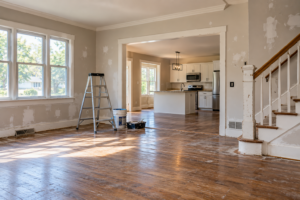
The condition of your property plays an important role in determining how it should be priced. Buyers often consider the amount of maintenance or renovation work a home may require when evaluating whether the asking price is reasonable.
A move-in-ready home with updated finishes and well-maintained systems may appeal to buyers who want to avoid immediate repairs. Meanwhile, a property with outdated features, worn flooring, or aging mechanical equipment may attract buyers who are prepared to make improvements.
This doesn’t mean every home needs expensive renovations before being listed. In many cases, smaller improvements such as fresh paint, minor repairs, professional cleaning, and decluttering can improve presentation without requiring a substantial investment.
However, it’s important to recognize that buyers may compare your property with homes that have already been updated. If your home requires additional work, the asking price should reflect those differences.
Pricing a home according to its actual condition can help set realistic expectations and encourage interest from buyers who understand what the property offers.
Location Can Make a Significant Difference
Location is one of the most influential factors in real estate pricing. Even homes with similar layouts, square footage, and features may have different market values depending on where they’re located.
In Minnesota, housing markets can vary significantly between the Twin Cities, surrounding suburbs, and smaller communities. Buyer demand, available inventory, nearby amenities, and neighborhood characteristics can all influence pricing.
A property located near major transportation routes, shopping, parks, or other conveniences may appeal to certain buyers. Lot characteristics, traffic patterns, and surrounding development may also affect how buyers evaluate a home.
Even within the same city, neighborhood differences can influence selling prices. This is why comparing your property with homes in distant communities may not provide an accurate picture of its market value.
A real estate professional familiar with your local area can help identify the most relevant comparable properties and explain how neighborhood conditions may affect your listing strategy.
Market Conditions Affect What Buyers Are Willing to Pay
Real estate prices are influenced by supply and demand. When there are more interested buyers than available homes, sellers may experience stronger competition for desirable properties. When inventory increases or buyer demand slows, purchasers may have more options and greater negotiating flexibility.
Mortgage interest rates can also influence affordability. When borrowing costs rise, some buyers may reduce their budgets or delay purchasing. When financing becomes more affordable, additional buyers may enter the market, potentially increasing demand.
These conditions can change over time, making it important to evaluate the market when you’re preparing to sell rather than relying on information from previous years.
For Minnesota homeowners, seasonal activity may also influence buyer behavior. Spring and summer often bring increased housing activity, but properties can sell throughout the year when they are priced and marketed appropriately.
Understanding current market conditions can help you choose a listing price that reflects what buyers are likely to pay today.
Pricing Can Influence How Your Home Appears in Online Searches
Online real estate searches are a major part of the homebuying process, and listing price can directly affect whether potential buyers discover your property.
Many buyers use price filters when browsing homes. For example, someone searching for properties up to $400,000 may never see a home listed at $410,000, even if the seller would consider an offer within the buyer’s budget.
Price ranges can also influence how your listing competes with other available properties. A home priced near the top of a particular range may be compared with larger or more updated properties, depending on the market.
This makes pricing strategy an important part of online visibility. The right asking price should reflect market value while considering how buyers search for properties.
A knowledgeable real estate professional can help you evaluate common search ranges and determine how to position your home among competing listings without sacrificing realistic pricing.
Price Reductions Can Change Buyer Perceptions
Sometimes a home doesn’t attract the expected level of interest, and a price adjustment becomes necessary. While price reductions are a normal part of the real estate market, repeated reductions can influence how buyers perceive a property.
When buyers notice that a home has been listed for an extended period or has experienced several price changes, they may begin to question whether the original asking price was unrealistic. Some may wonder whether there are maintenance concerns or other issues affecting buyer interest.
However, a price reduction doesn’t automatically mean something is wrong with the property. Changes in market conditions, competition, or seller circumstances can all influence pricing decisions.
If a listing isn’t generating sufficient activity, it’s important to evaluate the available feedback before making adjustments. Factors such as photography, presentation, showing availability, and competing listings may also affect performance.
A thoughtful pricing adjustment based on current market information can help renew interest, but beginning with a well-supported price may reduce the need for repeated changes.
Your Listing Price Can Affect Negotiations
The asking price establishes a starting point for negotiations between buyers and sellers. When the price is supported by comparable sales and market conditions, it may be easier to explain the property’s value during offer discussions.
If a home is significantly overpriced, buyers may submit lower offers or request additional concessions to account for the difference between the asking price and their assessment of value.
Negotiations may also involve inspection findings, closing timelines, financing terms, and other considerations. A strong offer isn’t always the one with the highest purchase price, particularly if it includes conditions that create additional uncertainty.
Sellers should evaluate the complete terms of each offer rather than focusing exclusively on the amount offered.
A competitive listing price can help establish realistic expectations and provide a stronger foundation for productive negotiations.
Appraisals Can Influence the Final Sale
When buyers purchase a home using mortgage financing, lenders commonly require an appraisal to help determine whether the property’s estimated value supports the loan.
An appraisal considers factors such as property characteristics, condition, location, and comparable sales. If the appraised value is lower than the agreed-upon purchase price, the transaction may require additional negotiation or financing adjustments.
For example, a buyer may agree to purchase a home for $450,000, but if the appraisal comes in at $430,000, the lender may calculate financing based on the lower value. Depending on the purchase agreement and loan requirements, the buyer may need to contribute additional funds, negotiate with the seller, or explore other options.
Although an appraisal isn’t identical to a comparative market analysis, both rely on relevant market information to evaluate property value.
Establishing a realistic listing price can help reduce the risk of significant pricing discrepancies, although appraisal outcomes cannot be guaranteed.
Emotional Attachment Can Lead to Pricing Mistakes
For many homeowners, selling a property means saying goodbye to a place filled with memories. Years of family gatherings, celebrations, home improvements, and personal experiences can make it difficult to evaluate the property’s value objectively.
It’s natural to feel that your home is worth more because of the time and money you’ve invested in it. However, buyers generally base their decisions on current market conditions, property features, and comparable alternatives rather than the seller’s personal attachment.
For example, a custom renovation that perfectly suits your preferences may not appeal to every potential buyer. Similarly, the amount you originally paid for the home doesn’t necessarily reflect its current market value.
Approaching pricing as a financial decision rather than an emotional one can help you establish realistic expectations.
A local real estate professional can provide an outside perspective and help you evaluate your property based on current market information.
The Right Price Can Help Reduce Time on the Market
While no pricing strategy can guarantee a quick sale, a competitively priced home may have a better opportunity to attract qualified buyers within a reasonable timeframe.
Homes that are priced appropriately for their condition and location may generate more showing requests and encourage serious buyers to consider making an offer.
Reducing unnecessary time on the market can be beneficial for sellers who are relocating, purchasing another home, or managing the expenses of maintaining multiple properties.
An extended listing period may create additional costs, including mortgage payments, utilities, insurance, maintenance, and property taxes. These expenses can affect the financial outcome of the sale.
By considering both the potential selling price and the cost of holding the property, homeowners can make more informed decisions about their pricing strategy.
Work With a Local Real Estate Professional to Set the Right Price
Determining the right listing price requires more than reviewing a few online estimates or comparing your home with nearby listings. It involves understanding recent sales, evaluating the property’s condition, studying buyer demand, and considering current market conditions.
A knowledgeable local real estate agent can help you review comparable properties and identify the features that may influence your home’s market value. They can also explain how pricing decisions may affect online visibility, buyer interest, and negotiations.
In Minnesota, market conditions can differ significantly between communities and price ranges. Working with someone familiar with your area can help ensure your pricing strategy reflects relevant local information.
Your real estate professional can also help monitor listing activity and buyer feedback after your home enters the market. If adjustments become necessary, having accurate information can help you make those decisions confidently.
Price Your Home With Confidence With Kontor Realty Group
Your home’s listing price is more than a number. It’s an important part of your overall selling strategy that can influence buyer interest, online visibility, negotiations, and the amount of time your property spends on the market.
While every homeowner wants to achieve the best possible financial outcome, setting an unrealistic asking price can create challenges that make selling more difficult. A competitive price supported by comparable sales, property condition, and current market conditions can help position your home effectively.
At Kontor Realty Group, we understand that every property is unique and every seller has different goals. Our team is dedicated to helping Minnesota homeowners understand their local real estate markets and develop informed strategies for preparing, pricing, and marketing their properties.
Whether you’re planning to list your home soon or simply exploring your options, understanding what your property may be worth is an important first step.
Thinking about selling your home in Minnesota? Visit Kontor Realty Group to connect with our team and learn how we can help you establish a competitive listing price and navigate the home selling process with confidence.