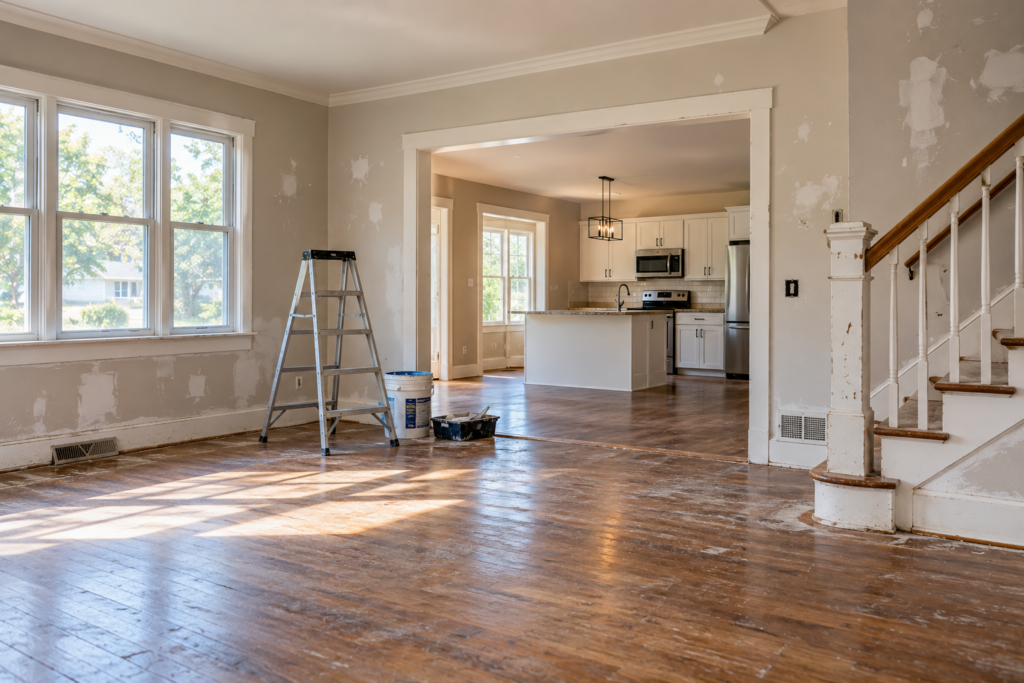
Selling a home can feel overwhelming, especially when the property needs repairs or updates. Whether you’re dealing with an aging roof, outdated kitchen, worn flooring, or larger maintenance concerns, you may be wondering whether it’s better to make improvements before listing or sell the property in its current condition. The good news is that homes don’t necessarily need to be in perfect condition to attract interested buyers.
Many homebuyers are willing to consider properties that need work, particularly when the home is located in a desirable area or offers an opportunity to make improvements over time. However, selling a home that needs repairs requires careful planning, realistic pricing, and an understanding of how the property’s condition may affect buyer interest.
For homeowners in Minnesota, seasonal weather conditions, property maintenance, and local housing market trends can also influence the selling process. At Kontor Realty Group, we understand that every property and homeowner’s situation is different. Knowing how to approach the sale of a home that needs repairs can help you make informed decisions and move forward with confidence.
Understand the Condition of Your Home Before Listing
Before putting your home on the market, it’s important to understand its overall condition. While you may already be aware of certain maintenance issues, other concerns might not be as obvious. Taking time to evaluate the property can help you determine which repairs deserve attention and how to position the home for potential buyers.
Start by walking through the house and identifying visible problems such as damaged flooring, peeling paint, leaking faucets, broken fixtures, or outdated finishes. You should also consider the condition of major components, including the roof, foundation, plumbing, electrical systems, and heating and cooling equipment. These areas often receive significant attention during the homebuying process because repairs can be expensive.
For Minnesota homeowners, weather-related concerns are especially important. Freezing temperatures, heavy snow, spring runoff, and seasonal moisture can affect roofing, foundations, drainage systems, and exterior materials. Understanding whether these issues exist can help you prepare for buyer questions and potential inspection findings.
Some homeowners may benefit from obtaining a professional home inspection before listing. Although a pre-listing inspection is not always necessary, it can provide additional information about the property’s condition and help identify potential concerns before buyers discover them.
Decide Whether to Make Repairs or Sell As-Is
One of the biggest decisions homeowners face is whether to complete repairs before selling or list the property as-is. Both approaches can make sense depending on the home’s condition, the estimated cost of improvements, and the seller’s financial situation.
Making repairs before listing may help the home appeal to a broader range of buyers. Properties that appear well-maintained and move-in ready can be attractive to people who want to avoid immediate renovation expenses. Addressing certain concerns may also reduce the likelihood of repair-related negotiations after an inspection.
However, completing major renovations isn’t always practical. If the home requires extensive repairs, the cost of improvements may exceed the amount you could reasonably expect to recover through a higher selling price. Homeowners who are relocating quickly, managing an inherited property, or working with a limited budget may prefer to sell without completing substantial work.
Selling a home as-is generally means the seller does not intend to make repairs as part of the transaction. However, it does not automatically eliminate applicable disclosure obligations or prevent buyers from requesting inspections or negotiating terms. Understanding these details can help you determine which selling strategy best fits your circumstances.
Focus on Repairs That Make the Biggest Difference
If you decide to make improvements before listing, it’s important to prioritize projects that are likely to improve the home’s appearance, functionality, or overall marketability. Not every repair needs to be completed, and spending money on the wrong improvements can reduce the financial benefit of selling.
Smaller repairs can often make a noticeable difference without requiring a major investment. Fixing dripping faucets, replacing broken light fixtures, repairing damaged doors, and touching up chipped paint can help a property feel better maintained. These improvements may also prevent buyers from assuming that minor visible problems indicate larger maintenance concerns.
Safety-related issues and problems that could cause additional damage should receive particular attention. For example, an active plumbing leak may lead to moisture damage if left unaddressed, while certain electrical concerns may require evaluation by a qualified professional.
Before investing in expensive renovations, consider discussing your options with a local real estate agent. Understanding which repairs matter most to buyers in your area can help you avoid unnecessary expenses and focus on improvements that support your selling goals.
Avoid Spending Too Much on Major Renovations
When preparing a home for sale, some homeowners assume that extensive renovations will automatically lead to a higher selling price. While updated kitchens, bathrooms, and living spaces can improve a property’s appeal, the financial return on these projects is not guaranteed.
For example, replacing outdated kitchen cabinets and countertops may make a home more attractive, but a complete luxury renovation may not be necessary to compete with similar properties in the neighborhood. Buyers may have different design preferences, and expensive upgrades do not always increase market value by the full amount invested.
The same principle applies to bathroom remodeling, flooring replacement, and exterior improvements. In some situations, cosmetic updates may provide enough improvement to make the property more appealing without requiring a substantial financial commitment.
Homeowners should also consider the time involved in completing renovations. Contractor availability, material costs, and unexpected complications can delay the listing process. If your goal is to sell within a particular timeframe, a lengthy renovation may not be the most practical approach.
A thoughtful selling strategy should balance improvement costs, available time, current market conditions, and the property’s likely resale value.
Price the Home According to Its Condition
Setting the right asking price is especially important when selling a home that needs repairs. Buyers typically consider the cost of necessary improvements when evaluating a property’s value, so pricing the home as though it were fully updated may discourage interest.
A competitive listing price should reflect the property’s location, size, features, condition, and recent comparable sales. If similar homes in the neighborhood have been renovated or recently updated, their selling prices may need to be adjusted when evaluating a property that requires additional work.
For example, a home with an older roof, outdated mechanical systems, and significant cosmetic concerns may attract different offers than a comparable property with newer systems and modern finishes. Buyers may also account for the inconvenience and uncertainty associated with completing repairs after closing.
Overpricing a home that needs work can result in fewer showings and a longer time on the market. On the other hand, pricing the property appropriately may attract buyers who recognize its potential and are prepared to make improvements.
Working with a local real estate professional can help you evaluate comparable sales and establish a pricing strategy that reflects the home’s actual condition.
Be Honest About Known Property Issues
Transparency is an important part of selling any home, particularly when the property has existing maintenance concerns. Buyers want to understand what they’re purchasing, and accurate information can help prevent misunderstandings during the transaction.
In Minnesota, sellers generally have legal obligations to disclose certain known material facts about a property’s condition, although specific requirements and exceptions depend on the circumstances of the sale. Selling a home as-is does not automatically remove these responsibilities.
Known concerns involving water intrusion, structural damage, plumbing problems, or other significant defects may need to be disclosed according to applicable requirements. Sellers should complete disclosure documents carefully and avoid making inaccurate statements about the property.
Being upfront about known issues can also help buyers make informed decisions. When potential purchasers understand the property’s condition before making an offer, they may be better prepared for the work involved and less surprised by inspection findings.
If you’re unsure about your disclosure obligations, consult an appropriate real estate or legal professional before listing. Accurate documentation and clear communication can help support a smoother selling process.
Improve the Home’s Appearance Without Major Expenses
Even when a home needs repairs, presentation still matters. A clean, organized property can make a positive impression and help buyers focus on its layout, usable space, and potential rather than only its imperfections.
Start by thoroughly cleaning the home, including floors, windows, countertops, bathrooms, and other frequently used areas. Removing clutter can make rooms feel larger and help buyers better understand how the space could function. Organizing storage areas and removing unnecessary furniture can also improve the overall appearance.
If the budget allows, simple cosmetic improvements such as neutral paint, updated cabinet hardware, or refreshed light fixtures may help create a more inviting environment. However, these projects should be evaluated based on their cost and the home’s overall condition.
The goal is not to disguise problems or make the property appear to be something it isn’t. Instead, focus on presenting the home honestly while showcasing its strongest features. Buyers may be more willing to consider necessary repairs when they can clearly see the property’s possibilities.
Don’t Overlook Curb Appeal
The exterior of a home creates the first impression for many potential buyers. Even if the property needs significant interior improvements, maintaining an attractive exterior can encourage buyers to take a closer look.
Simple tasks such as mowing the lawn, trimming overgrown shrubs, clearing walkways, and removing debris can improve the property’s appearance. Cleaning siding, sweeping the front steps, and maintaining the entryway may also help make the home feel more welcoming.
In Minnesota, seasonal conditions can influence curb appeal. During winter, keeping driveways and sidewalks clear of snow and ice is important for both appearance and accessibility. During warmer months, maintaining landscaping and outdoor spaces can help buyers better appreciate the property.
If exterior repairs are needed, consider whether smaller improvements can be completed safely and affordably before listing. While a full exterior renovation may not be practical, addressing obvious maintenance concerns can help create a stronger first impression.
A home that needs repairs can still attract interest when it is clean, accessible, and presented with care.
Highlight the Property’s Best Features
When selling a home that needs work, it’s important to remember that buyers evaluate more than the property’s current condition. Location, lot size, layout, garage space, and other features can make a home appealing even when updates are necessary.
For example, a property may have an outdated kitchen but offer a spacious backyard, desirable neighborhood location, or functional floor plan. Another home may require cosmetic improvements while providing a large garage, finished basement, or convenient access to local amenities.
These characteristics can help buyers recognize the property’s potential. Listing descriptions and photographs should highlight genuine advantages while accurately representing the home’s condition.
Avoid overstating renovation possibilities or making claims that cannot be verified. Instead, focus on features that buyers can clearly see and evaluate for themselves.
A real estate professional can help identify the property’s strongest selling points and develop a marketing strategy that reaches buyers who may appreciate those characteristics.
Understand Who May Be Interested in a Fixer-Upper
Homes that need repairs can appeal to several types of buyers. Some purchasers are specifically searching for properties they can renovate and customize, while others may be interested in a lower purchase price and willing to complete improvements gradually.
Real estate investors may also consider homes that require work, particularly when the purchase price and estimated renovation expenses align with their investment goals. However, investors often evaluate properties differently than buyers purchasing a primary residence and may require sufficient financial room to account for renovation costs and potential risks.
Certain buyers may be interested in the property’s location or lot even if the existing home requires extensive updates. Others may value the opportunity to select their own finishes and improvements rather than paying a premium for renovations completed by someone else.
Understanding the potential audience can help sellers position their properties more effectively. A home that doesn’t appeal to buyers seeking move-in-ready conditions may still attract interest from purchasers who are prepared to handle repairs.
Prepare for the Home Inspection
Home inspections are an important part of many real estate transactions. When selling a property that needs repairs, homeowners should be prepared for buyers to request additional information or raise concerns about the home’s condition.
A professional inspector may evaluate accessible components such as the roof, foundation, plumbing, electrical systems, and heating and cooling equipment. The resulting report can identify visible concerns and recommend further evaluation when appropriate.
If the home has known maintenance issues, those concerns may become part of the negotiation process. Depending on the purchase agreement, buyers may request repairs, financial concessions, or other adjustments.
Sellers should review their contractual obligations carefully and work with their real estate professional to understand available options. Not every inspection concern requires the same response, and the appropriate approach depends on the property’s condition, market conditions, and agreed-upon terms.
Preparing for the inspection process can help reduce surprises and make negotiations more manageable.
Be Open to Negotiating With Buyers
Negotiation is a normal part of selling a home, particularly when repairs are needed. Buyers may consider the estimated cost of improvements when determining their offer price or requesting concessions.
For example, a buyer who discovers that the roof will need replacement may request a lower purchase price or ask the seller to contribute toward certain closing expenses, subject to lender and contract requirements. Another buyer may prefer to handle the repairs independently and purchase the home without requesting additional work.
Sellers should evaluate the complete terms of an offer rather than focusing exclusively on the purchase price. Financing arrangements, contingencies, closing timelines, and the likelihood of completing the transaction can all influence the strength of an offer.
Being flexible doesn’t mean agreeing to every request. Instead, it means considering reasonable solutions that support your financial goals while addressing legitimate buyer concerns.
A knowledgeable real estate agent can help you review offers and negotiate terms that reflect the property’s condition and current market conditions.
Understand How Repairs Can Affect Financing
One consideration when selling a home that needs significant repairs is whether its condition could affect a buyer’s ability to obtain mortgage financing. Some loan programs have property condition requirements that must be satisfied before financing can be completed.
For example, certain safety, structural, or habitability concerns may create complications during the appraisal or underwriting process. The specific requirements depend on the lender, loan program, and property circumstances.
This doesn’t mean that every home requiring repairs will have financing problems. Many properties with cosmetic issues or routine maintenance needs can still qualify for traditional financing.
However, homes with more substantial concerns may attract buyers using renovation financing, cash purchases, or other financing arrangements. Sellers should understand that these options can involve different timelines and requirements.
Discussing the property’s condition with your real estate professional can help you anticipate potential financing challenges and evaluate offers accordingly.
Consider the Benefits and Limitations of Selling As-Is
Selling as-is can be an appealing option for homeowners who don’t want to invest additional money or time into repairs. This approach may be particularly practical when the property requires extensive work or when the seller needs to relocate within a limited timeframe.
An as-is sale can reduce the expectation that the seller will complete repairs before closing. However, buyers may still request inspections, negotiate pricing, or ask for concessions depending on the purchase agreement.
Properties sold as-is may also attract a different group of buyers than fully updated homes. Some purchasers may be comfortable taking on repairs, while others may prefer properties that require less immediate work.
It’s important to understand that selling as-is doesn’t necessarily mean selling quickly or receiving an offer without negotiation. Pricing, marketing, property condition, and local demand continue to influence the process.
For some homeowners, the convenience of avoiding repairs may outweigh the possibility of receiving a higher price after renovations. The right choice depends on your financial situation and selling priorities.
Know When Selling May Be Better Than Renovating
Homeowners sometimes feel obligated to complete repairs before selling, even when the investment may not make financial sense. In certain situations, selling the property in its current condition may be the more practical option.
For example, if the home requires extensive improvements and you don’t plan to remain there long enough to benefit from them, investing in major renovations may not align with your goals. Similarly, if you have limited savings or need to move quickly, completing expensive projects could create unnecessary financial pressure.
It’s helpful to compare the estimated cost of repairs with the potential difference in selling price. Consider contractor estimates, project timelines, carrying costs, and the possibility of unexpected expenses.
A local real estate agent can help you understand how comparable homes in different conditions have performed in the market. This information can provide useful context when deciding whether to renovate or sell as-is.
The goal is to choose a strategy that supports your financial circumstances rather than assuming every repair must be completed before listing.
Work With a Local Real Estate Professional
Selling a home that needs repairs can involve additional considerations related to pricing, disclosures, inspections, financing, and negotiations. Working with a knowledgeable real estate professional can help you navigate these decisions more confidently.
A local agent can review comparable sales, evaluate the property’s market position, and help determine how its condition may influence buyer interest. They can also assist with developing a marketing strategy that highlights the home’s strengths while setting realistic expectations.
In Minnesota, real estate markets can vary significantly between communities. A property that requires updates may attract considerable interest in one neighborhood while experiencing different demand in another.
Local expertise can help sellers understand these differences and choose an approach that reflects their specific market.
An experienced real estate professional can also help coordinate showings, communicate with potential buyers, and guide negotiations throughout the transaction.
Sell Your Home With Confidence With Kontor Realty Group
Selling a home that needs repairs doesn’t have to be an overwhelming experience. While property condition can influence buyer interest and pricing, homeowners still have options when preparing their properties for sale. Understanding the cost of improvements, identifying the home’s strongest features, and establishing a realistic asking price can help create a more effective selling strategy.
Whether you decide to complete minor repairs, invest in selected improvements, or sell the property as-is, careful planning can help you avoid unnecessary expenses and make informed decisions. Every home and selling situation is different, which is why it’s important to evaluate your options based on your financial goals, timeline, and local market conditions.
At Kontor Realty Group, we understand that not every home is move-in ready, and that doesn’t mean it can’t attract interested buyers. Our team is dedicated to helping Minnesota homeowners understand their options, evaluate market conditions, and navigate the selling process with personalized guidance.
Whether you’re selling an older property, preparing to relocate, or managing a home that requires substantial updates, we’re here to help you develop a strategy that fits your needs.
Thinking about selling a home that needs repairs in Minnesota? Visit Kontor Realty Group to connect with our team and learn how we can help you prepare, price, and market your property with confidence.