Understanding your home’s market value is an important part of making informed real estate decisions. Whether you’re preparing to sell your property, considering refinancing, or simply curious about how much your home may be worth, several factors can influence its value in today’s real estate market. While homeowners often focus on the original purchase price or the improvements they’ve made over the years, a property’s market value depends on much more than its appearance or individual features.
For homeowners in Minnesota, local market conditions, neighborhood characteristics, property condition, and buyer demand can all affect how much a home may sell for. Even two houses with similar layouts and square footage can have significantly different values depending on their location, maintenance history, and available amenities.
At Kontor Realty Group, we understand that every property is unique. Knowing which factors influence your home’s market value can help you make better decisions about improvements, pricing, and the right time to sell.
Location and Neighborhood Desirability
One of the most influential factors in determining a home’s market value is its location. While homeowners can update kitchens, renovate bathrooms, and improve landscaping, the property’s location is something that cannot be changed.
Homes in neighborhoods with convenient access to shopping, restaurants, parks, recreational opportunities, and major transportation routes may attract more interest from buyers. Commute times, nearby amenities, and the overall character of a community can also influence demand.
In Minnesota, home values can vary considerably between different cities and neighborhoods. Properties in established Twin Cities communities may experience different market conditions than homes in growing suburbs or smaller surrounding towns.
Even within the same city, location can make a difference. A home situated on a quiet residential street may appeal to different buyers than a similar property located along a busy roadway. Lot positioning, surrounding development, and access to outdoor spaces can also influence how buyers perceive a property.
Because location plays such a significant role in real estate, understanding your neighborhood’s current market conditions is essential when estimating your home’s value.
The Size and Layout of Your Home
A property’s size is another important factor that influences market value. In general, homes with more usable living space may command higher prices than smaller properties with otherwise similar characteristics. However, square footage alone does not determine value.
The number of bedrooms, bathrooms, and functional living areas can significantly influence buyer interest. A well-designed three-bedroom home with an open layout may be more appealing to certain buyers than a larger property with an outdated or inefficient floor plan.
Today’s buyers often look for spaces that accommodate their daily routines. Features such as home offices, flexible living areas, spacious kitchens, and adequate storage can make a property more attractive.
Finished basements may also contribute to a home’s appeal, particularly in Minnesota, where additional indoor living space can be valuable during colder months. However, the contribution of finished basement space to market value depends on its quality, permitted use, and how comparable properties are evaluated.
When determining a home’s market value, it’s important to consider not only how much space the property offers but also how effectively that space meets buyers’ needs.
The Age and Overall Condition of the Property
A home’s age and condition can have a major impact on its market value. While older homes may offer unique architectural details and established landscaping, they may also require additional maintenance or updates.
Buyers often pay close attention to the condition of major components, including the roof, foundation, windows, plumbing, electrical systems, and heating and cooling equipment. Properties with well-maintained systems may be more appealing because buyers anticipate fewer immediate repair expenses.
On the other hand, visible maintenance concerns or aging mechanical systems can affect buyer confidence. A home that requires substantial repairs may receive lower offers, particularly when buyers need to account for the cost of improvements after purchasing.
Minnesota’s climate makes property maintenance especially important. Cold winters, snow accumulation, spring thawing, and seasonal temperature changes can place additional stress on roofing materials, exterior surfaces, foundations, and drainage systems.
Homeowners who consistently maintain their properties may be better positioned when it’s time to sell. Keeping records of repairs, maintenance, and major replacements can also help demonstrate how the property has been cared for over time.
Recent Home Improvements and Renovations
Home improvements can influence market value, but not every renovation provides the same financial return. Some updates may make a home more attractive to potential buyers, while others may have limited influence on the final selling price.
Kitchens and bathrooms are often important areas of focus because they are frequently used and can significantly affect a home’s overall appearance. Updated cabinets, countertops, fixtures, and flooring may help a property feel more modern and move-in ready.
However, expensive renovations do not automatically increase a home’s value by the full amount spent. A homeowner who invests heavily in a luxury kitchen may not recover the entire renovation cost when selling, particularly if the improvements exceed what buyers typically expect in the neighborhood.
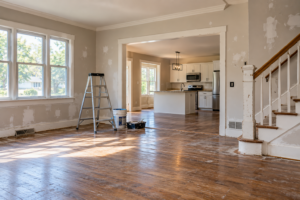
Smaller cosmetic improvements can sometimes make a meaningful difference without requiring a major investment. Fresh paint, updated lighting, repaired fixtures, and professionally cleaned flooring can improve the home’s presentation.
Before beginning extensive renovations with resale in mind, consider speaking with a local real estate professional. Understanding which improvements are most appealing to buyers in your market can help you prioritize projects more effectively.
Current Real Estate Market Conditions
Your home’s market value is influenced not only by the property itself but also by broader real estate market conditions. Changes in housing inventory, buyer demand, mortgage interest rates, and economic conditions can all affect what buyers are willing and able to pay.
When there are more interested buyers than available properties, competition may increase and sellers may have greater negotiating leverage. In markets with more available homes and fewer active buyers, properties may take longer to sell and buyers may have additional negotiating opportunities.
Mortgage interest rates can also influence affordability. When borrowing costs rise, some buyers may reduce their purchasing budgets or delay their plans. When financing becomes more affordable, additional buyers may enter the market, potentially increasing demand.
These conditions can change over time and may differ between Minnesota communities. A property that would have attracted several offers during one market period may experience a different level of interest under changing economic circumstances.
Understanding current market conditions is essential when determining a realistic listing price and developing an effective selling strategy.
Comparable Home Sales in Your Area
One of the most useful ways to estimate a home’s market value is by reviewing recently sold properties with similar characteristics. These are commonly referred to as comparable sales, or comps.
Comparable properties are typically evaluated based on location, size, age, condition, layout, and available features. Recent sales provide insight into what buyers have actually paid for similar homes rather than relying exclusively on asking prices.
For example, if several comparable homes in your neighborhood have recently sold within a particular price range, those transactions may provide a useful starting point for estimating your property’s value.
However, adjustments may be necessary when comparing homes with different features. A property with a remodeled kitchen, larger garage, or additional bathroom may be valued differently than another home with similar square footage but fewer amenities.
A local real estate professional can help interpret comparable sales and evaluate how your home’s unique characteristics may affect its position in the market.
Curb Appeal and Exterior Appearance
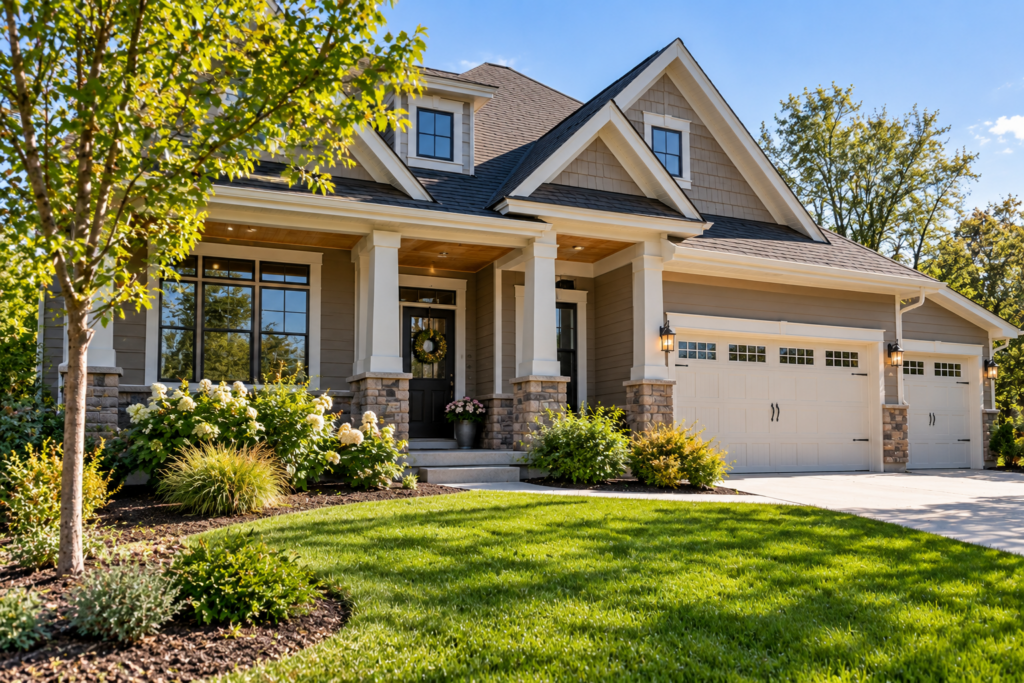
First impressions can influence how buyers perceive a property, making curb appeal an important consideration when preparing to sell.
The exterior of a home is often the first thing potential buyers notice, whether they’re viewing online listing photos or arriving for a showing. A well-maintained exterior can create a positive impression before buyers even step inside.
Landscaping, siding, roofing, walkways, driveways, and entryways all contribute to a property’s appearance. Simple improvements such as trimming overgrown shrubs, maintaining the lawn, cleaning exterior surfaces, and refreshing the front entrance can make a home feel more welcoming.
In Minnesota, seasonal conditions can also affect curb appeal. During winter, keeping sidewalks and driveways clear of snow can improve accessibility and presentation. During spring and summer, healthy landscaping and maintained outdoor spaces can help showcase the property.
While curb appeal alone does not determine a home’s market value, an attractive exterior can encourage buyer interest and contribute to a stronger overall impression.
The Quality of Interior Finishes
Interior finishes can influence how buyers compare properties within the same price range. Flooring materials, cabinetry, countertops, lighting, doors, and trim all contribute to the overall appearance and perceived quality of a home.
Properties with cohesive, well-maintained finishes may feel more appealing than homes with visibly outdated or inconsistent materials. However, buyer preferences can vary, and expensive finishes do not always translate into significantly higher selling prices.
Neutral colors and practical design choices often appeal to a broad range of potential buyers. Bright, clean, and uncluttered rooms can also make spaces feel more inviting.
When preparing to sell, homeowners should consider whether minor improvements could help the property compete with similar listings. Replacing outdated light fixtures, repairing damaged flooring, or refreshing worn paint may improve presentation without requiring a complete renovation.
The goal is to create a home that feels well cared for and allows buyers to envision themselves living in the space.
Energy Efficiency and Home Systems
Energy efficiency can be an attractive feature for buyers, particularly in states like Minnesota where heating and cooling costs can vary significantly throughout the year.
Updated windows, adequate insulation, efficient heating and cooling equipment, and properly maintained mechanical systems may appeal to buyers who want to manage long-term utility expenses.
A newer furnace or air conditioning system can also provide reassurance that major equipment may not require immediate replacement. However, the value these improvements add depends on the property’s condition, local buyer expectations, and comparable sales.
Energy-efficient upgrades should be evaluated carefully before making large investments solely to increase resale value. Some improvements may offer benefits through lower operating costs and improved comfort without producing an equivalent increase in selling price.
When listing a property, providing accurate information about recent system replacements and energy-related improvements can help buyers understand the home’s features.
Lot Size and Outdoor Living Space
The land surrounding a home can also influence its market value. Lot size, usable yard space, privacy, landscaping, and outdoor amenities may all affect buyer interest.
Some buyers prioritize spacious yards for outdoor activities, gardening, or entertaining. Others may prefer smaller properties that require less maintenance.
Features such as patios, decks, fenced yards, and established landscaping can make outdoor areas more functional and appealing. However, the value of these features depends on their condition, quality, and relevance to the local market.
For Minnesota homeowners, outdoor living spaces can be especially attractive during warmer months. A well-maintained deck or patio may help buyers envision enjoying the property throughout spring, summer, and fall.
The shape, slope, drainage, and usability of the lot can also affect how buyers evaluate a property. A larger lot is not necessarily more valuable if much of the space is difficult to use or maintain.
Nearby Development and Community Changes
Changes in the surrounding community can influence property values over time. New businesses, improved transportation routes, parks, recreational facilities, and residential developments may affect neighborhood desirability.
For example, additional shopping and dining opportunities may make an area more convenient for residents. Improvements to public infrastructure can also influence accessibility and neighborhood appeal.
However, not every development has the same effect on nearby homes. Increased traffic, construction activity, or changes in land use may be viewed differently depending on the buyer and property location.
Homeowners should stay informed about local planning decisions and community developments, especially when considering selling or making long-term property investments.
A real estate professional familiar with the local area can help explain how neighborhood changes may influence buyer interest and market conditions.
Property Taxes and Ongoing Ownership Costs
Buyers often consider more than the purchase price when evaluating a home. Property taxes, insurance, utility expenses, and maintenance requirements can influence overall affordability.
Two homes with similar asking prices may have different monthly ownership costs depending on their location, tax assessments, energy efficiency, and insurance considerations.
Higher ongoing expenses can affect how much buyers are comfortable spending, particularly when mortgage payments already represent a significant portion of their budgets.
In Minnesota, property taxes can vary between communities and properties. Buyers should review available tax information while recognizing that assessments and future tax obligations may change.
For sellers, understanding these costs can help explain how their property compares with other available homes and why certain buyers may place greater value on particular features.
The Importance of Accurate Pricing
Setting the right asking price is one of the most important decisions homeowners make when preparing to sell. Pricing a property too high can discourage interested buyers and cause the listing to remain on the market longer than expected.
When a home sits on the market for an extended period, some buyers may begin to question whether there are problems with the property or whether the asking price is unrealistic.
On the other hand, pricing a home too low without a clear strategy could mean accepting less than its potential market value. The right approach depends on comparable sales, current competition, property condition, and the seller’s goals.
A competitive listing price should reflect what buyers are likely to pay under current market conditions rather than relying solely on personal expectations or the amount invested in improvements.
Working with an experienced real estate professional can help homeowners evaluate the available information and establish a pricing strategy designed to attract qualified buyers.
Why Online Home Value Estimates Aren’t Always Accurate
Many homeowners begin researching their property’s value by using online real estate websites that provide automated estimates. While these tools can offer a convenient starting point, they may not reflect the complete picture.
Automated estimates often rely on public records, recent sales, and statistical models. They may not fully account for recent renovations, interior condition, unique property features, or maintenance concerns.
For example, an online estimate may not recognize that a homeowner recently replaced the roof, remodeled the kitchen, or updated major mechanical systems. It may also fail to account for property-specific issues that could affect buyer interest.
Because automated estimates have limitations, homeowners should avoid treating them as definitive valuations.
A comparative market analysis prepared by a knowledgeable real estate professional can provide a more detailed assessment based on local sales activity and the property’s individual characteristics. A formal appraisal may also be appropriate when an independent valuation is needed for lending or other purposes.
Work With Kontor Realty Group to Understand Your Home’s Value
Your home’s market value is influenced by a combination of factors, including location, property condition, square footage, recent improvements, neighborhood characteristics, and current buyer demand. While some of these factors are within your control, others depend on changing market conditions and the preferences of potential buyers.
Understanding how these elements work together can help you make informed decisions about preparing your home for sale, investing in improvements, and determining an appropriate asking price.
At Kontor Realty Group, we understand that every home has unique features and every seller has different goals. Our team is dedicated to helping Minnesota homeowners navigate the real estate market with personalized guidance, local expertise, and a clear understanding of the factors that influence property values.
Whether you’re planning to sell soon or simply want to better understand your property’s position in the current market, having accurate information can help you take the next step with confidence.
Curious about what your home may be worth? Visit Kontor Realty Group to connect with our team and learn more about your home’s potential market value.